


Forged by the Master Sculptor: How God Uses Trials to Shape You
“Suffering is often God’s most effectual means of revealing to us what we really are, and of fitting us for higher service.” – Catherine Booth, Practical Religion (1878)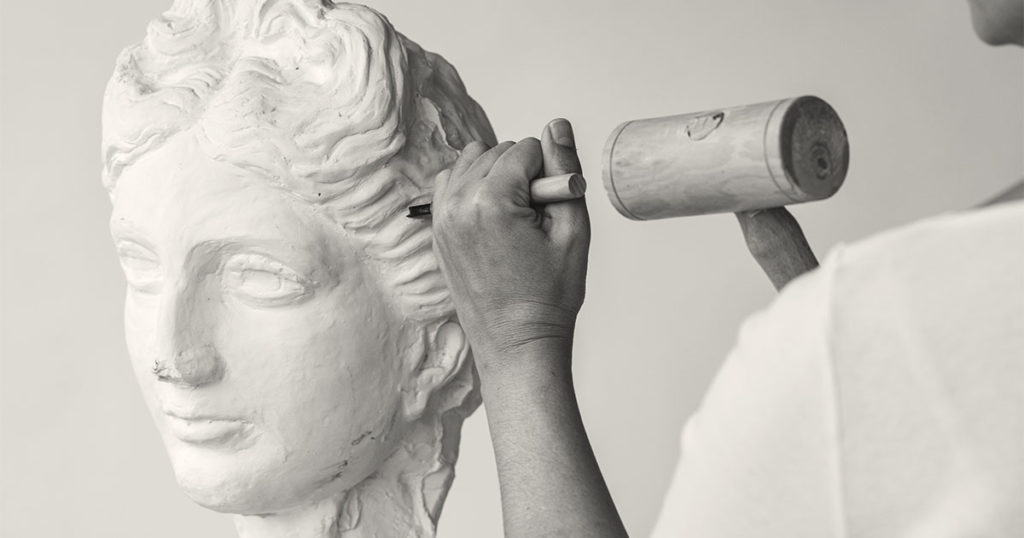
“We can rejoice, too, when we run into problems and trials, for we know that they help us develop endurance. And endurance develops strength of character, and character strengthens our confident hope of salvation.” — Romans 5:3–4
In mid-fifteenth-century Florence, the Operai del Duomo, the committee responsible for the Cathedral of Santa Maria del Fiore, conceived an ambitious plan: a series of colossal sculptures to crown the celebrated house of worship. To realize this ambition, an enormous block of marble was transported more than 80 miles to Florence. In 1460, two accomplished sculptors were commissioned to carve King David from the stone. Despite earnest efforts, both eventually abandoned the task, citing poor quality and structural flaws in the marble. Scarred by partial work and judged irreparably compromised, the block was set aside, and the project stalled.
Nearly 40 years later, the discarded stone was entrusted to a 26-year-old Michelangelo. Where others saw weakness, he discerned worth. For more than two years, Michelangelo labored patiently and relentlessly, chiseling away. From that flawed stone emerged a giant — standing over five meters tall and weighing more than a ton — a resurrection of the marble itself. Too magnificent to be hidden high upon the cathedral, “David” was placed in the heart of Florence. Depicted at the threshold of battle with Goliath, David appeared, while not yet victorious, firmly grounded in a calm assurance of the sovereignty of the God of Israel.
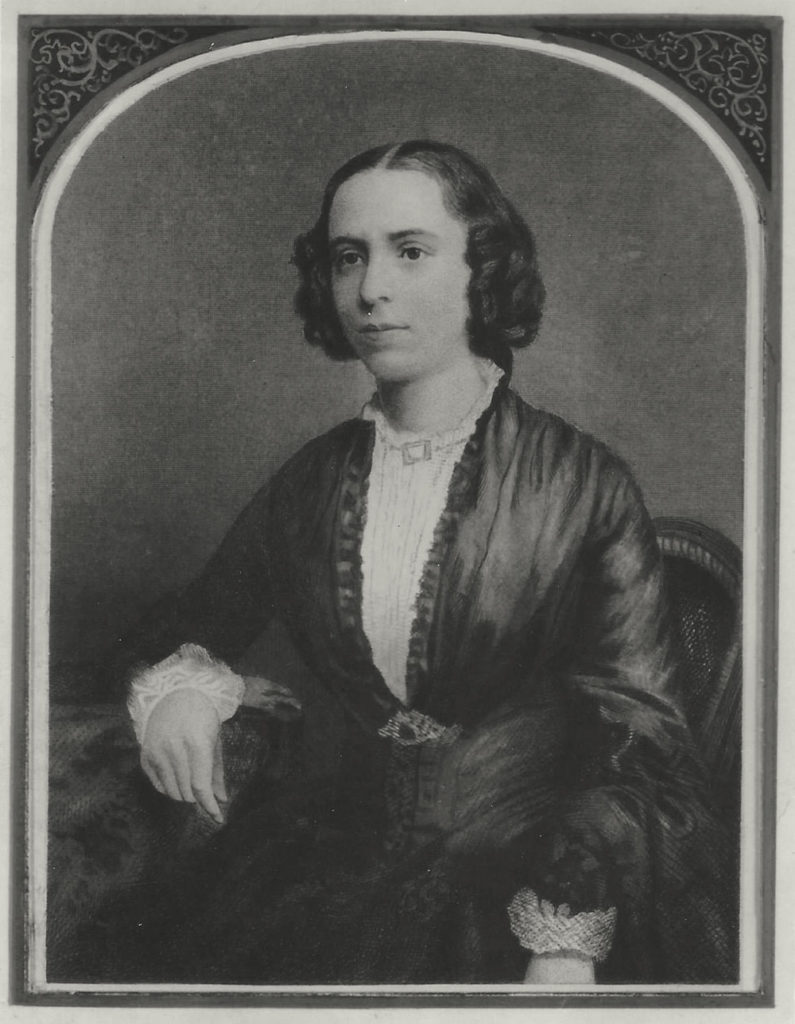
The formidable Catherine Booth did not begin life as a finished masterpiece. Physical weakness and depression plagued her throughout her life. But, like Michelangelo’s “David,” where others saw fragility, God discerned a warrior in formation. The Divine Sculptor chiseled away temper, timidity, and the tyranny of self, until what remained was purified passion, consecrated courage, and sacrificial surrender. Booth’s strength was not based on her physical capacity or inflated by self confidence; instead, it was anchored in God’s sovereignty, refined by the Master artist. Like “David,” Catherine Booth would become a spiritual giant — her life bearing witness to a “real, living, self sacrificing, hard working, toiling, triumphing Christianity” that would profoundly influence her world and generations to follow.
Yet before Catherine could be used mightily by God, she first had to be forged by His deliberate and loving hand. The impetuous, precocious, and strong-willed girl required the Master Sculptor to remove all that did not belong, refining her character and fashioning her into the resolute woman who would one day be known as the Army Mother.
Catherine was passionate and impulsive from the start. Whatever she did, she did with her whole heart. Even as a child, she had a fierce sense of justice. Animals particularly drew out her compassion. Once, she even jumped from a moving carriage to stop a young boy from beating his donkey with a hammer.
She felt that same intensity when her father killed her beloved dog, Waterford, who had smashed through a window frantically trying to reach Catherine when she had injured her foot. She struggled to forgive her father, and even more, she wrestled with God — confused and angry about why such a terrible thing had been allowed to happen.
Not long after, that fiery sense of right and wrong reappeared while she was playing in the street. Catherine noticed a small crowd forming as a drunk man was roughly detained by a constable. While people jeered, she saw something different — shame and fear all over his face. Without a second thought, Catherine slipped her small hand into his and walked alongside him all the way to the jailhouse. She didn’t say a word — but her quiet defiance spoke louder than the cruel voices around them.
At boarding school, Catherine became the target of teasing and bullying. Once again, her strong sense of justice kicked in, this time in self defense. She fired back with sharp, angry words she would later regret.
Whether advocating for a mistreated animal, standing beside someone despised, or pushing back against cruelty from classmates, Catherine never hesitated to confront injustice. Her spirit burned hot and fast, sometimes overflowing into anger. In time, God would take that fierce zeal and shape it into a disciplined fire. Directed not toward her own passions, but toward His purpose, this purified passion would fuel her lifelong fight in the great Salvation War.
Though bold and fearless in challenging wrongdoing, fear and timidity in prayer and service for God also had to be overcome. Catherine was anxious and reticent when asked to pray aloud in her Methodist class meetings. Repeatedly she refused, yet her teacher persisted, warning that unless this fear were conquered, her faith and her usefulness to God’s work would remain stunted. Reluctantly, she yielded — unaware that the consecrated courage forged in a small classroom would one day prepare her to proclaim the gospel to thousands and pave the way for future women preachers to step into ministry.
By the age of 15, Catherine believed she had found love. A young man she had known since childhood came to stay in their family home. He became deeply attached to Catherine, and though she had not sought his affection, she was moved by his devotion. He accompanied her to Wesley Chapel but exhibited little spiritual interest, carving pictures into the pews during sermons to capture her attention and make her laugh. Catherine thought she might be able to lead him to salvation. Besides, what if she wounded his feelings, damaged their friendship, and then was, herself, relegated to a life of loneliness? Gradually, Catherine began to recognize that her affection was hindering her full surrender to God’s will. Ending the relationship was painful, but Catherine had made up her mind to follow Christ, and that meant sacrificing her plans to His will.
With each deliberate stroke, the Sculptor continued His work — purifying passion, consecrating courage and calling her to sacrificial surrender. Through every act of obedience and each hard-won lesson, Catherine’s spiritual stature grew. Yet the work was far from finished.
The fledgling warrior now stood on the threshold of even greater battles still to come — heartache and illness, fierce opposition, slander and even betrayal. Fragile though she was, Catherine chose to yield. She trusted that the One who shaped her character would also sustain her through whatever still awaited.
What work does God need to do in your life today? He has no intention of wasting the challenges you’re facing. He’s using them — carefully, deliberately — as His chisel, shaping you as he did Catherine. You may feel fragile or ill equipped for what lies ahead, but if you yield to the Master Sculptor, He won’t leave you unfinished. He’ll form you, refine you and forge you into His formidable warrior.
Photos: Solidcolours/Getty Images and The Salvation Army National Archives | This article was originally titled “Forged by the Master Sculptor: From Fragile to Formidable” in the July 2026 issue of The War Cry.