


How to Study the Bible Intentionally & Encounter God in His Word
“The Bible reveals a God who speaks and acts in human history. His Word guides and challenges us to live out faith in daily choices, relationships and service.”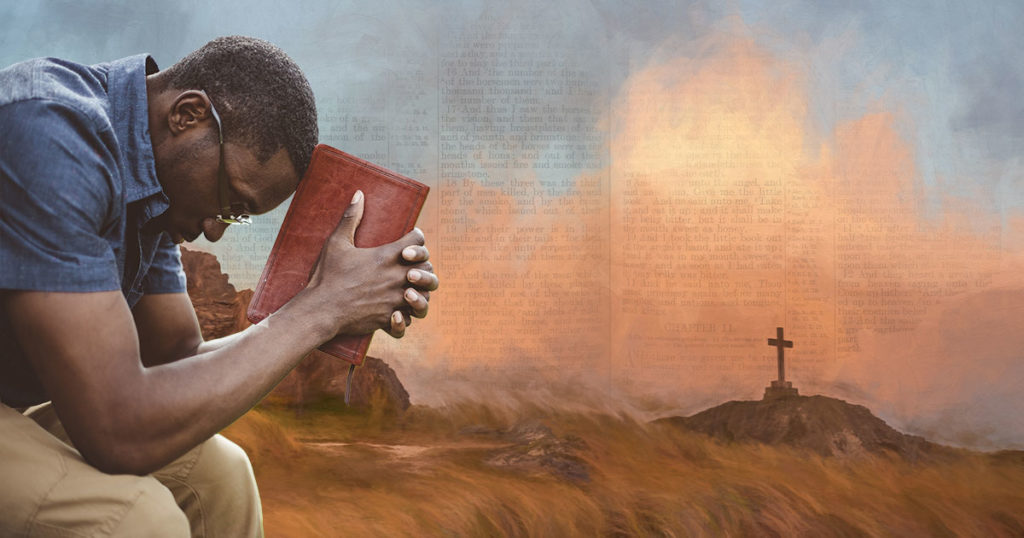
What Is Bible Study?
Bible study is more than skimming chapters, memorizing verses, or searching for what we want the text to say. It is an intentional spiritual discipline that engages both heart and mind in an encounter with the living God through careful, systematic examination of His Word. Paul’s instruction to Timothy highlights the purpose and importance of the Bible:
“From infancy you have known the Holy Scriptures, which are able to make you wise for salvation through faith in Christ Jesus. All Scripture is God-breathed and is useful for teaching, rebuking, correcting, and training in righteousness, so that the servant of God may be thoroughly equipped for every good work” (2 Timothy 3:15-17 NIV).
The Bible is not merely a collection of human words; it is God-breathed, divinely inspired, and alive with authority. It reveals the way to salvation through Jesus Christ, teaches truth, corrects error, and trains us to live in righteousness. Life-changing Bible study calls for deep inner reorientation — slowing down, listening, and allowing God’s Word to shape our hearts, decisions, and daily lives.
How to Study the Bible: The Five Directions of Personal Bible Study
Purposeful Bible study that deeply transforms involves five interconnected steps: tuning the heart, choosing the right tools, observing the text, interpreting its meaning, and applying it to life. Together, these steps guide us to encounter God through His Word. For this systematic and practical process, “Grasping God’s Word” by J. Scott Duvall and J. Daniel Hays is highly recommended, offering clear guidance — especially for engaging the steps of selecting tools, observing, interpreting, and applying the Bible effectively.
1. Tune Your Heart to God with Open-Hearted Questions
Bible study begins by preparing the heart. Before opening the Bible, pray for insight, teachability, and discernment from God, who seeks true worshippers “in spirit and truth” (John 4:23). Bible study is not merely intellectual; it is a personal encounter with the Triune God — the Father who speaks, the Son who is the incarnate Word, and the Holy Spirit who illuminates our understanding.
As we study, we reflect on open-hearted questions such as: Is there any sin the Holy Spirit is inviting me to confess as I reflect on this passage? What truths do I need to affirm today—about the Father, the Son Jesus Christ, the Holy Spirit, myself, others, and the world? How does this passage confirm the good work God has already begun in my life? What changes might God be calling me to make in my time, money, energy, or resources? What prayer should I lift today — for myself, my family, my community, or even those who oppose me? These questions prepare our hearts to receive God’s Word, transforming understanding into spiritual reflection and action.
2. Choose the Proper Tools
Discernment is essential when selecting resources for Bible study. The right tools help us engage the Bible carefully and reflectively, rather than casually or superficially.
Bible Translation:
- Gordon D. Fee and Douglas Stuart, in “How to Read the Bible for All Its Worth,” advise using a translation faithful to the original languages while remaining clear and readable. Recommended options include:
- Formal equivalence (literal) translations: NKJV, NASB, ESV, RSV, NRSV — close to the original wording.
- Functional equivalence (dynamic) translations: NIV, TNIV — express meaning in natural, contemporary language.
Reading across multiple versions can provide fresh insight and deepen understanding.
Study Bibles:
Study Bibles provide valuable notes and cross-references that enrich understanding, though readers should be aware of the theological perspectives reflected by their contributors or editors. Many popular Study Bibles are shaped by Reformed or Calvinist traditions, while Wesleyan-Arminian perspectives — such as those held by Salvationists — emphasize: God’s grace is freely available to all people, not limited to a chosen few; women and men share equal spiritual authority and leadership within the Church; holiness and perfect love are attainable by God’s sanctifying grace in this life.
Commentaries and References:
Well-researched evangelical commentaries, along with both introductory and advanced biblical references, provide invaluable insight into the historical, literary, and theological context of the Bible. Consulting trustworthy sources is a wise and rewarding investment for anyone seeking to deepen their understanding of God’s Word.
3. Observation: What the Text Says
Observation lays the groundwork for meaningful Bible study, focusing on what the text actually communicates. Effective study begins by asking careful questions — the classic five “W’s” (Who? What? Where? When? Why?) and one “H” (How?). These questions help identify the passage, explore reasons and purposes, understand the means, and uncover implications and assumptions. Questions of place and time are also important for a detailed understanding of a particular situation. Thoughtful Bible students engage these questions intentionally, opening the door to insight and guiding the next steps, which in turn lead to careful and responsible interpretation.
4. Interpretation: Understanding What the Text Means
Interpretation is the process of uncovering and explaining what a passage of the Bible truly means. It moves us beyond merely seeing what the Bible says to grasping its deeper message. Responsible interpretation requires critical, self-reflective inquiry: How can the original content — including literary style, historical and cultural background, the author’s purpose, and original context — be communicated and meaningfully understood by today’s readers in their own life situations? We must also guard against reading personal biases into the text.
Throughout history, the voices of the poor, the marginalized, and women have often been suppressed or ignored in the Church and society, yet they have warned us of the dangers of unjust or unfair interpretations. Their witness calls us to approach God’s Word with humility, justice, and integrity, ensuring our study honors both the text and God’s people.
5. Application: Living Out What You Learn
Application bridges understanding and practice. It is our practical response to God’s Word. James 1:22 reminds us, “Do not merely listen to the word, and so deceive yourselves. Do what it says.” Bible study is not meant to remain abstract or purely intellectual — true personal study calls for thoughtful action.
The Bible reveals a God who speaks and acts in human history. His Word guides and challenges us to live out faith in daily choices, relationships, and service. Each passage asks: How does this shape my character, priorities, and attitudes? How does it guide interactions with family, friends, colleagues, and neighbors? Daily routines reveal what we truly value. Application can take many forms: prayerful reflection, ethical adjustments, acts of service, or cultivating spiritual habits. Letting God’s Word shape how we live and love transforms ordinary days into a life that reflects Christ’s heart and holiness.
Identity Rooted in the Bible
Salvationists have long been known as people of the Bible. General William Booth, cofounder of The Salvation Army with his wife Catherine, placed the Bible at the heart of The Salvation Army’s doctrinal creed: “We believe that the Scriptures of the Old and New Testaments were given by inspiration of God, and that they only constitute the Divine rule of Christian faith and practice.” The Bible remains foundational to The Salvation Army’s mission and ecclesiastical identity.
Samuel Logan Brengle, beloved teacher of holiness, embodied this devotion: “For years I have given the best hour of the day to the Bible, and now I want it more than I want my food.” For all who seek God, the Bible offers wisdom, hope, and salvation. May Jesus’ prayer that His people be sanctified by the truth — the living Word — lead us to study deeply, live faithfully, and reflect God’s holy love, just as Brengle exemplified.
Composition by Rachel Domotor / Photos courtesy Getty Images
This article was originally titled “Bible Study That Transforms: Encounter God in His Word” in the May 2026 issue of The War Cry.