

The Shield of Faith: Forged on the Battlefield
“The greatness of a man’s power is the measure of his surrender.”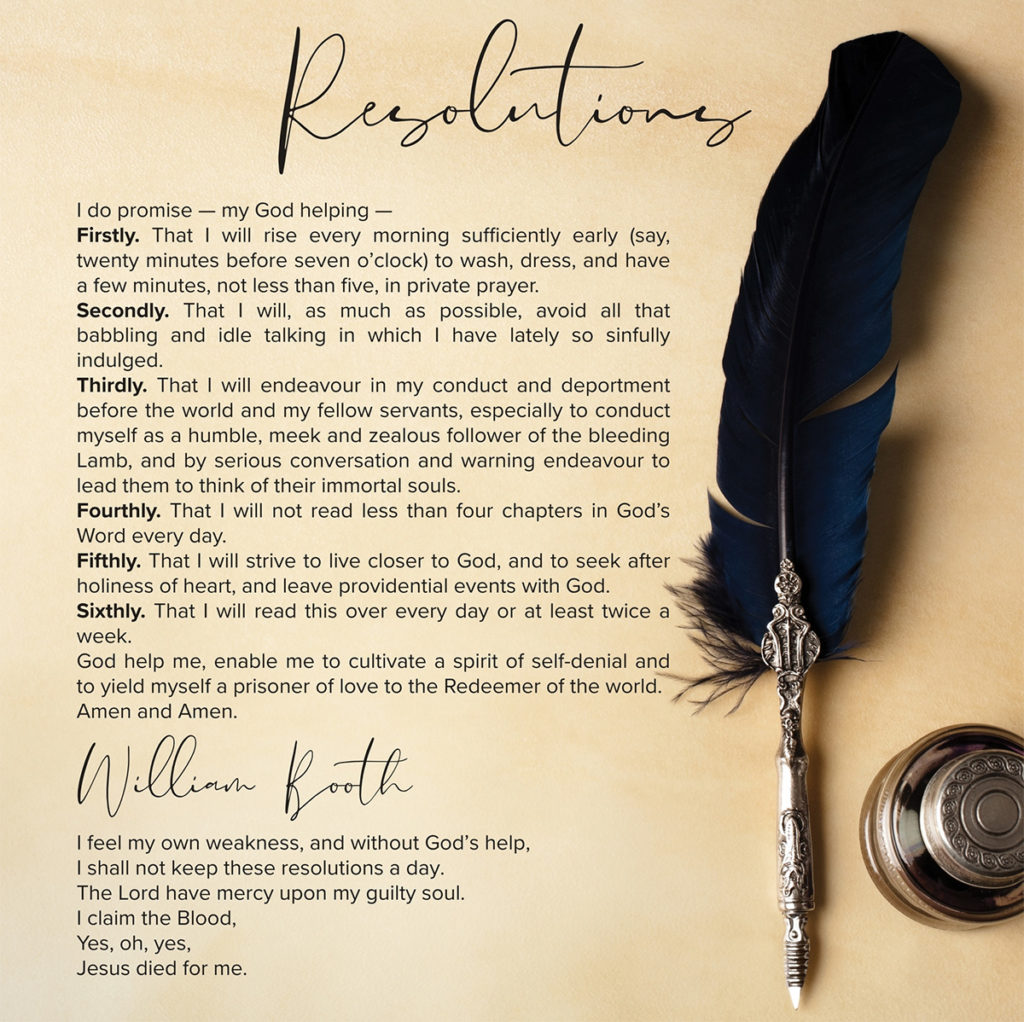
“And now, just as you accepted Christ Jesus as your Lord, you must continue to follow him. Let your roots grow down into him, and let your lives be built on him. Then your faith will grow strong in the truth you were taught, and you will overflow with thankfulness” (Colossians 2:6-7).
For Roman soldiers, a shield was more than a piece of armor. It was a multi-purpose instrument essential for survival, close combat, coordinated attacks, and victory on the battlefield. Nearly four feet tall and shaped as a curved rectangle, the “scutum,” or shield, wrapped around the soldier’s body, offering protection from multiple angles. Far from ornamental, the shields enabled soldiers to press forward, extinguish fiery arrows, and interlock with others in a tortoise-like formation, protected from the fiercest attack.
Scripture uses the imagery of a shield to portray faith — not as a fleeting emotion or abstract idea, but as a reality grounded in Jesus and the salvation He offers, experienced by believers. Faith is our entrance into citizenship in God’s family when we accept Christ as Lord. It’s also how we continue to follow Him, serving as the emblem of our belonging, reshaping how we think, act, and live. Like the Roman shield, faith is far from ornamental. It’s an essential weapon in the great salvation war, capable of extinguishing the fiery darts of the evil one as we lock shields with fellow believers and press forward together to victory.
A young William Booth needed this very shield. Stirred by the faith of fellow Methodists and pierced by a deep conviction of his sin, Booth was led to confess and make restitution for his wrongs. His long struggle with God culminated in a holy breaking point. On a street corner in Nottingham, the young teen fell to his knees, repented of his sins, and confessed his faith in Jesus Christ.
In that defining moment, Booth resolved that his entire life would be marked by a self-denying, salvation-declaring, Satan-defying faith. His encounter with the living God reordered his pursuits, priorities, and purpose. Every habit was now examined under the searching light of God’s holy love. Booth didn’t merely abandon harmful companions and destructive behavior; he began to re-examine the foundations of his life.
At the time, William was apprenticed to a pawnbroker, providing vital income for his family. Yet his conscience would no longer allow him to work on Sundays. Honoring God, he believed, must come before financial security or human approval. His employer responded with fury, dismissing him on the spot. But the decision revealed the depth of Booth’s transformation: his faith was reshaping every aspect of his life. Recognizing William’s integrity and value, the pawnbroker soon rehired him. Booth had lifted his shield, and there would be no going back. He would later testify:
The world, instead of a Pleasure ground and a Market place, became a Battle field, in which I felt I had received a call to fight the demons of hell for the Salvation of men.
During this season, Booth formed a deep friendship with Will Sansom, a young evangelist and the son of a lace maker. Locking shields, they read, studied, and prayed as they spurred one another on in faith and obedience. Famed Methodist revivalists such as John Wesley became their teachers, shaping in them a growing love for God’s Word and a hunger to win souls. Quickly, the two became brothers in arms in the spiritual war that Booth saw before him.
In 1846, when William was just 17 years old, he contracted a fever that left him near death. An urgent message from Will Sansom rejuvenated him: “I am starting an open-air mission, and I need your help! Come quickly!” This was just the medicine that the soul winner needed. Booth’s recovery was miraculous, and he soon joined his friend in the slums and began, for the first time, to test his shield on the battlefield of deprivation and depravity.
Carrying a chair into the street, William would climb upon it so all could see. The young evangelist called passersby to consider the state of their souls, urgently imploring them to seek salvation in Jesus Christ. After the appeal, the small mission band would lift their voices in song, while Will Sansom prayed fervently for a breakthrough.
William’s shield took a beating from the drunkards who crowded the streets, jeering and mocking him and his companions. Yet he answered not with anger but with grace. “Friend,” he would say gently, “it was for you He died; stop, and be saved.” Even at this early stage of his life, Booth had already grasped a truth that would define his ministry: “We are saved to save.”
William’s shield also bore the weight of resistance from the respected leaders of the Church, who met each new effort to reach the slums with resistance. Yet their unease did not deter Booth. Strengthened by conviction, he pressed on regardless, locking his shield, advancing steadily, and placing his full confidence in God alone.
But another blow to Booth’s shield was yet to come. In 1849, Will Sansom succumbed to tuberculosis. Sansom’s death altered the course of Booth’s life, contributing to his move later that same year to London, where, bereft of his closest ally, he was compelled to lean more fully on the strong arms of God and step forward in obedient faith.
William Booth — now only 20 years old — set his pen to paper and wrote what he called his “Resolutions.” In that quiet hour, he bound himself to God in a sacred covenant. This was a deliberate act of surrender, fixing his future to obedience and divine purpose. Looking back many years later, Booth would identify this moment as pivotal, distilling its meaning in a conviction forged through faith tested on the battlefield:
The greatness of a man’s power is the measure of his surrender.
If you’re standing today on the threshold of God’s Kingdom, do not delay — surrender and walk through the door by faith.
If you’re facing fear, uncertainty, and obstacles in answering God’s call, lift the shield of faith and surrender to God’s purposes for your life. Today’s battles may look different, but they are no less real.
And, if you’re walking through loss, opposition, or discouragement, don’t retreat. Surrender your all to God, lock your shield with fellow believers, stand firm, and advance together — because the battle belongs to the Lord.